

How to measure your large parcel
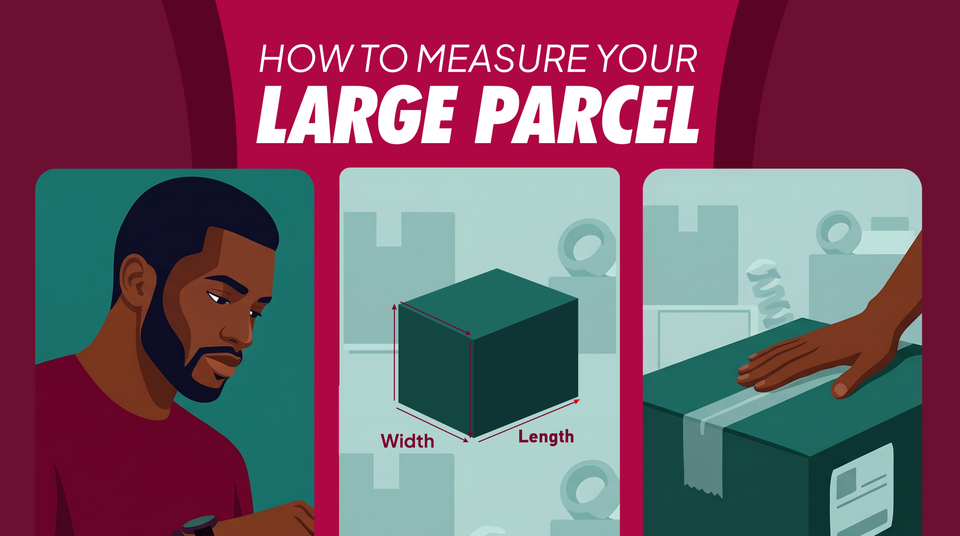
How to Measure a Parcel
When you send a parcel, you need to know its size and weight. This helps choose the right delivery service and the correct price. Here is a clear guide on how to measure your parcel.
1. Length
The length is the longest side of your parcel.
Place the parcel on a flat surface and look at all the sides. Find the side that is the longest and measure it with a ruler or tape measure in centimetres (cm). That number is your parcel’s length.
2. Width (girth)
In this guide, width means how big the parcel is around the middle. This is also called the girth.
To measure the girth:
- Take a tape measure.
- Wrap it all the way around the middle of the parcel, like measuring a person’s waist.
- Read the number in centimetres (cm).
That number is the girth, or width around the parcel.
3. Length and width combined
Some large parcels must fit within a limit called “length and width combined.” This is checked by adding:
- the length (longest side), and
- the width around the parcel (girth).
So:
Length + Girth = Length and width combined
Example:
- Length = 60 cm
- Girth = 80 cm
Length and width combined = 60 cm + 80 cm = 140 cm.
You can compare this result with any maximum limit given by your delivery service.
4. Irregular or unusual shapes
Not all parcels are neat boxes. Some are round, bumpy, or have an unusual shape.
For these parcels, imagine the smallest box that the item could fit inside. Then measure that box instead.
You should:
- Measure the longest side of this imaginary box for the length (in cm).
- Measure around the middle to find the girth (in cm).
- Measure the height if needed (in cm).
Always measure between the widest points so you do not underestimate the size.
5. Why exact weight is important
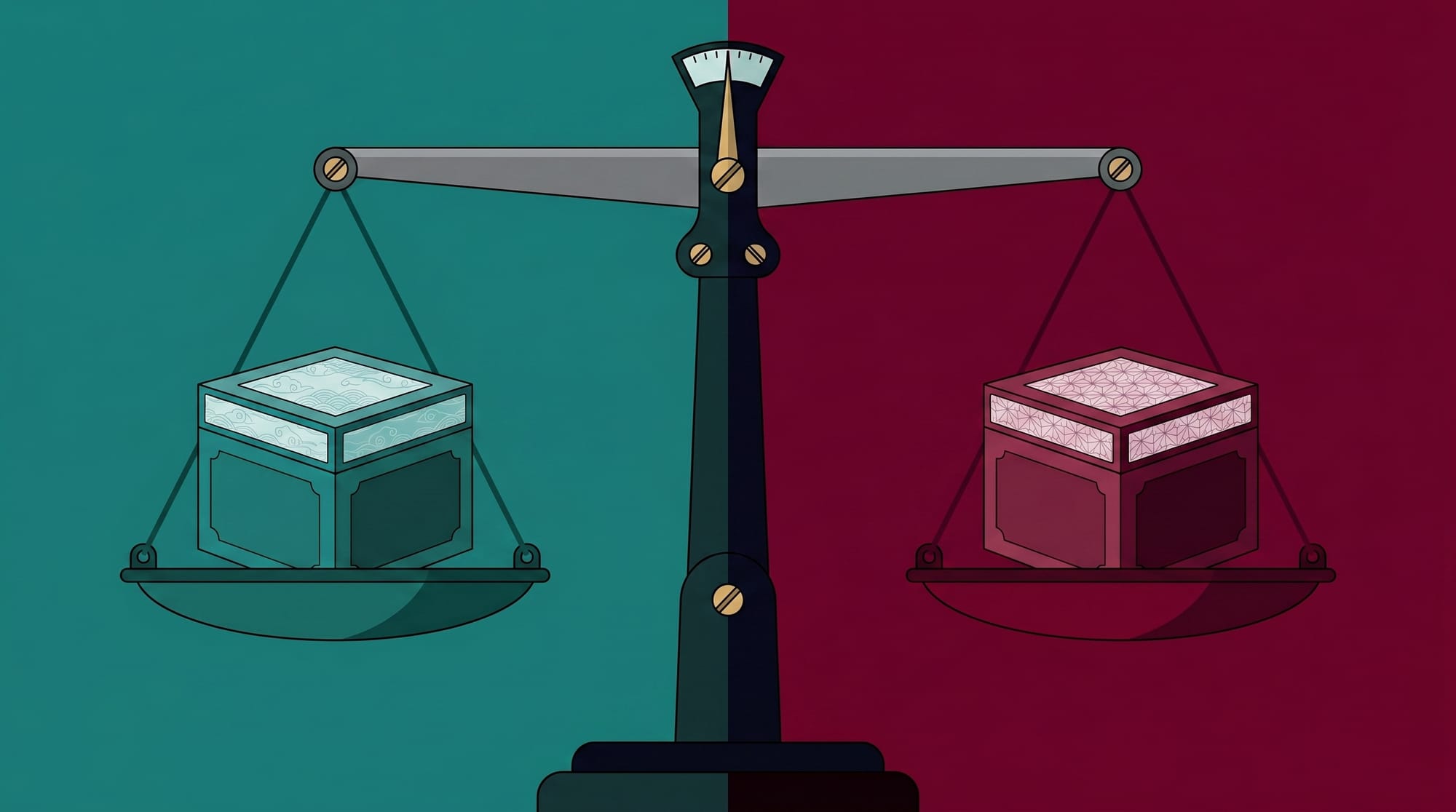
The weight of your parcel is also needed to calculate the price.
The cost of sending your parcel usually depends on:
- the delivery service you choose, and
- the exact weight of the parcel.
If the weight you give is not correct, the final price may change.
To measure the weight:
- Use a scale that shows kilograms (kg) and grams (g).
- Place the parcel on the scale.
- Note the reading, for example: 2.3 kg (2 kilograms and 300 grams).
6. Quick summary
- Length: the longest side of the parcel (in cm).
- Width (girth): the distance all the way around the middle (in cm).
- Length and width combined: length + girth (in cm).
- For irregular shapes: imagine the smallest box the item fits into and measure that.
- Exact weight (in kg and g) is needed to get the correct delivery price.
By following these steps, you can measure any parcel correctly and avoid problems or extra charges later.

Abraham Itule
Founder & CEO of Safiri